Commercial moves
Changing office locations is rarely a simple task. Desks, computers, documents, and equipment all need to be relocated while daily work continues. Because of this, many organizations begin learning about an office moving company when preparing for a workplace relocation and trying to understand how such transitions are usually organized.
Why Office Moves Are Different From Home Moves
Relocating a workplace often involves challenges that do not appear during residential moves. Offices usually contain technical equipment, filing systems, and shared workspaces that must remain organized even during transportation. When people read about professional office movers, they often realize how much coordination is involved in moving a business environment.
Employees may also need to continue working while preparations are underway. This means the relocation must be planned carefully so that daily operations are interrupted as little as possible. Documents must remain accessible, and computers must be disconnected and reconnected without damaging equipment.
Another factor that adds complexity is the number of workstations. Each desk may contain cables, monitors, and personal items that need to stay organized during the move.
Preparing for an Office Relocation
Planning an office relocation often begins weeks before the actual moving day. Departments usually review their files and equipment, deciding what should be moved and what is no longer necessary. This process can help reduce clutter and make the transition smoother.
During preparation, many businesses begin exploring information about corporate moving companies to understand how workplace relocations are typically handled. Learning about the process often helps employees pack their workspaces more efficiently.
Furniture arrangement is another detail that requires attention. The layout of the new office may differ from the previous one, so planning where desks, meeting areas, and equipment will go can save time once everything arrives.
The Role of Equipment and Technology
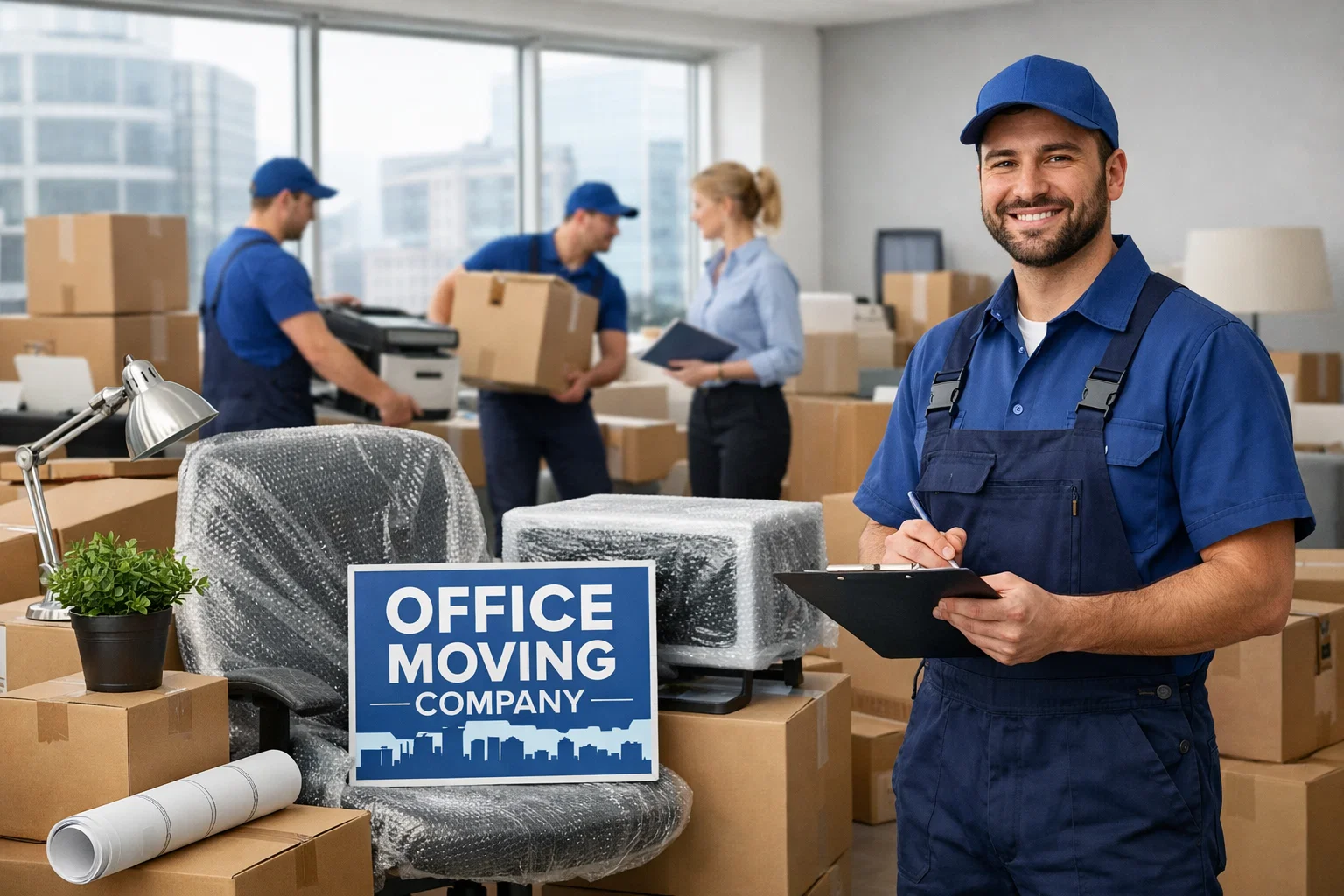
Modern offices depend heavily on technology. Computers, printers, servers, and communication systems must all be handled carefully during transportation. Even small mistakes when packing electronic equipment can lead to delays once the office begins operating again.
Because of these challenges, many organizations research how commercial office movers approach relocating technology and sensitive equipment. Labeling cables, protecting devices, and organizing hardware properly can make reconnecting systems far easier.
During this stage, people may also read about how commercial moving companies manage large relocations involving multiple departments and significant amounts of equipment.
Returning to a Normal Work Routine
Once the move is completed, the focus shifts to restoring everyday work routines. Desks are arranged, computers are reconnected, and employees gradually adapt to the new workspace. Although the physical move may take only a short time, settling into the new office often requires several days.
Understanding how an office moving company fits into the process simply highlights how much preparation is involved in relocating a workplace. Organization, careful planning, and attention to detail all help make the transition smoother.
In the end, moving an office represents more than transporting furniture. Learning about the role of an office moving company helps people see how structured planning can turn a complicated relocation into a manageable step toward a new working environment.