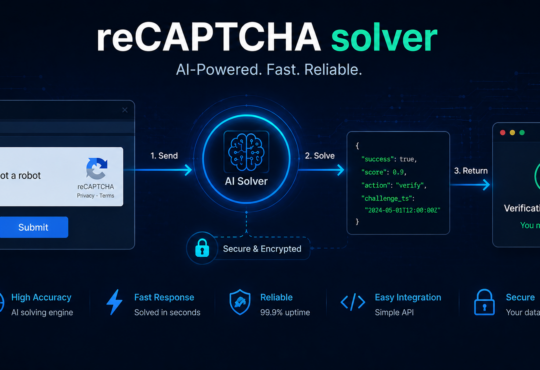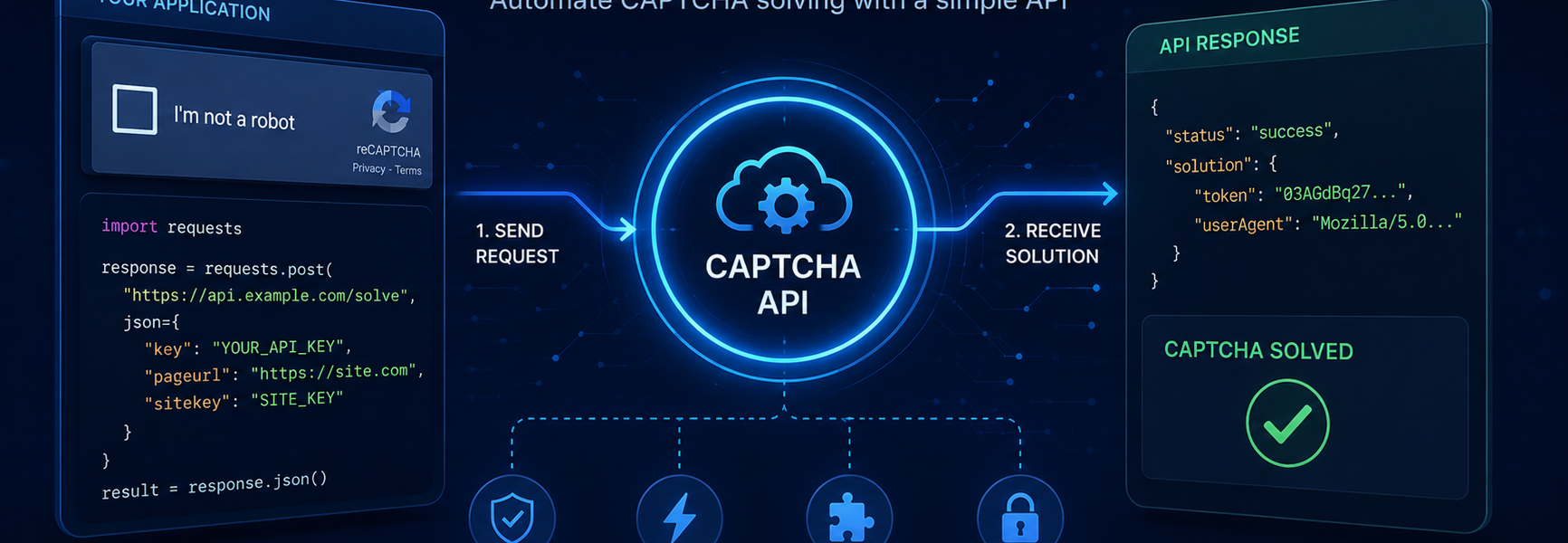
You can feel the presence of a CAPTCHA API long before you actually see a challenge on screen. A page hesitates for half a second. A login behaves differently on public Wi-Fi. A form suddenly reloads after moving too quickly between tabs. Most people don’t think about these moments individually, but together they changed how browsing feels.
The internet became more suspicious without ever announcing it directly.
Verification Stopped Being A Single Step
Older CAPTCHA systems were blunt. You solved a puzzle once, proved you were human, and continued normally.
That simplicity disappeared gradually.
Modern systems evaluate behavior continuously instead. They watch timing patterns, interaction speed, browser consistency, IP history, and dozens of tiny signals users never actually see. Sometimes visible verification appears only after silent scoring has already decided something feels “off.”
And honestly, the word “off” is doing a lot of work there.
Because human behavior rarely looks clean or predictable. Someone stressed clicks differently than someone relaxed. A distracted person refreshes too aggressively. Another user jumps between devices mid-session because their laptop battery died unexpectedly. None of these things are strange in real life, yet automated systems often interpret irregular behavior cautiously.
Which creates an odd situation where real people sometimes feel more suspicious than automation specifically designed to appear stable.
That tension explains why conversations around things like CAPTCHA for API systems became broader than pure security discussions. What users experience emotionally matters just as much as what systems detect technically.
Technical Systems Quietly Shape Human Behavior
I noticed this most clearly while watching someone struggle through repeated account verification during a ticket release. At first they behaved naturally — quick refreshing, opening multiple tabs, moving rapidly between pages.
Ten minutes later their behavior changed completely.
They slowed down. Waited before clicking. Avoided refreshing. Even cursor movement became cautious, almost like they were trying not to upset the system again. It felt strange to watch because the verification itself was subtly training human behavior in real time.
That’s the part many discussions ignore.
Security systems don’t only block abuse. They influence rhythm. They shape how people interact online emotionally, not just technically. Repeated interruptions create hesitation, and hesitation changes the overall feeling of browsing more than most websites probably realize.
Mentions of a CAPTCHA bypass API often sound deeply technical from the outside, but underneath those conversations there’s frequently a much simpler frustration: people getting tired of constantly proving legitimacy to invisible scoring systems they cannot fully understand.
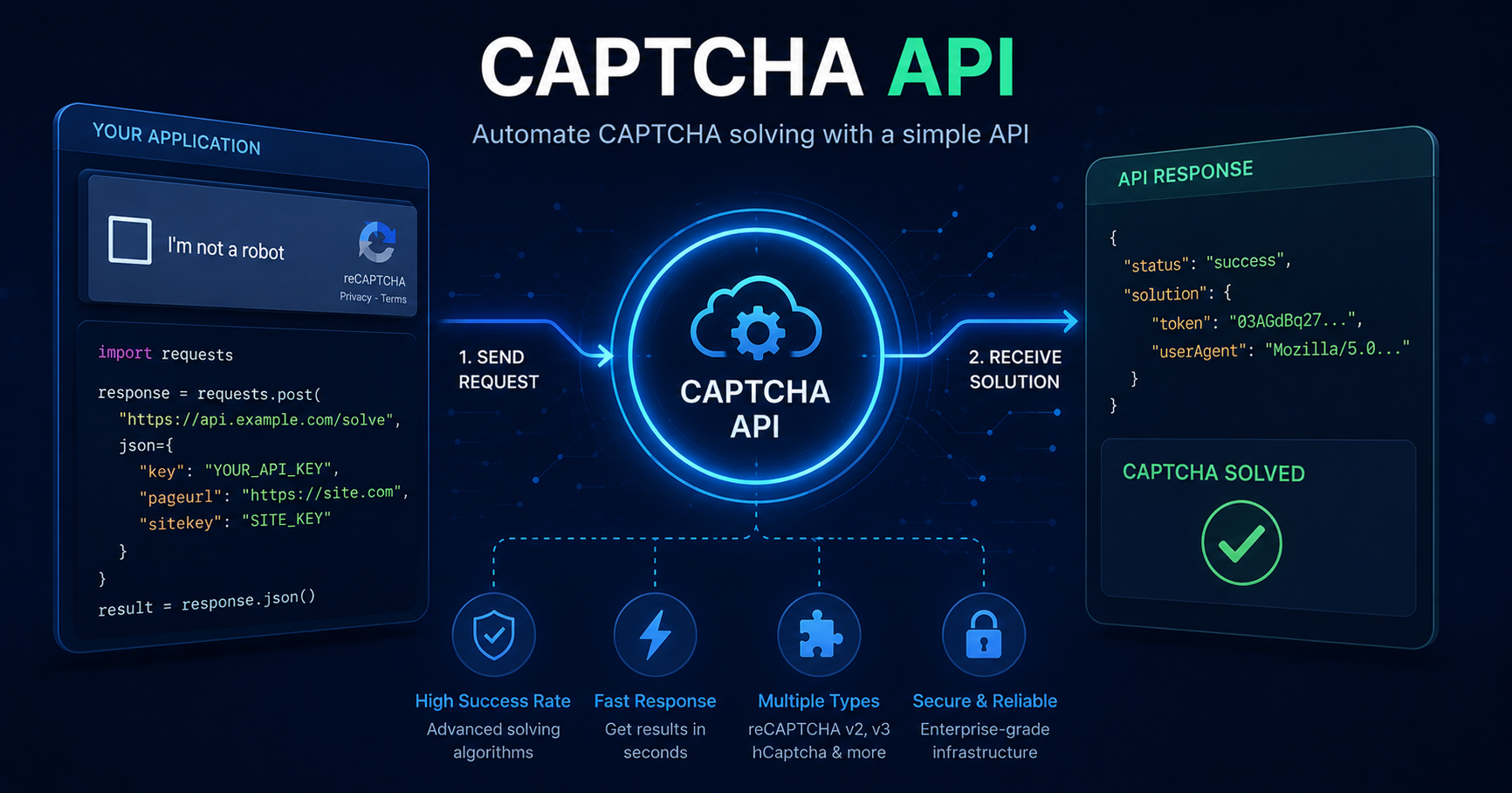
Automation And Detection Keep Escalating Together
There’s a weird arms race happening quietly underneath ordinary browsing.
Automation improved. Detection systems adapted. Then automation evolved again. Every improvement on one side pushed the other side toward more complex behavior analysis. Over time verification became less about solving visible puzzles and more about evaluating entire browsing sessions probabilistically.
That’s why certain technical terms started appearing more often in ordinary developer discussions:
- CapMonster Cloud API
- CapMonster API Python
- behavioral scoring systems
- browser fingerprint consistency
What’s interesting is how these conversations rarely stay purely technical anymore. They drift into discussions about usability, fatigue, browsing psychology, even trust itself.
Because once verification becomes constant, users stop experiencing it as “security infrastructure.” They experience it as atmosphere.
And atmosphere changes mood even when nobody consciously notices it happening.
Some Friction Feels Protective — Some Just Feels Cold
People tolerate friction surprisingly well when the purpose feels obvious. Banking apps, financial verification, sensitive account recovery — users understand the stakes there.
But ordinary websites often create a different feeling entirely.
Repeated CAPTCHA loops during harmless browsing don’t feel protective. They feel emotionally distant. Mechanical. Suspicious in a way that slowly wears people down rather than actively angering them.
And the exhaustion rarely arrives dramatically.
It accumulates through tiny interruptions:
- another failed image grid
- another forced refresh
- another session timeout
- another verification screen after clicking too fast
Eventually users stop trusting the flow itself. Not because the website necessarily failed technically, but because unpredictability creates tension.
That’s why hidden scoring systems feel stranger than visible ones to me personally. At least older CAPTCHA checks were honest about what was happening. Modern systems often judge behavior invisibly first, then reveal themselves only after something crosses an unclear threshold.
Which leaves users guessing constantly.
Browsing Online Feels Less Neutral Than It Used To
There was a period when websites mostly reacted to actions directly. Click something, receive a result. Simple cause and effect.
Now every interaction carries an invisible layer of interpretation beneath it. Systems continuously decide whether browsing behavior appears trustworthy enough to continue smoothly. Most users never think about this process consciously, but they absolutely feel it when friction suddenly appears without explanation.
That subtle shift changed the emotional texture of the internet more than people admit.
After enough years online, a CAPTCHA API stops sounding like a niche backend concept and starts feeling more like part of the atmosphere surrounding modern browsing — invisible most of the time, yet constantly present underneath the surface, quietly evaluating whether ordinary human behavior still looks believable enough.