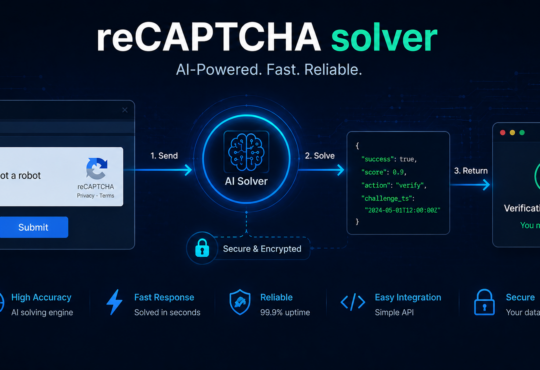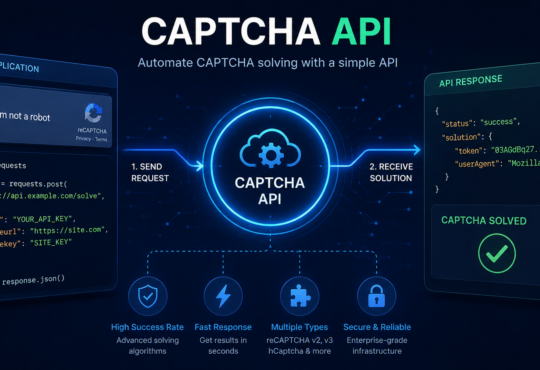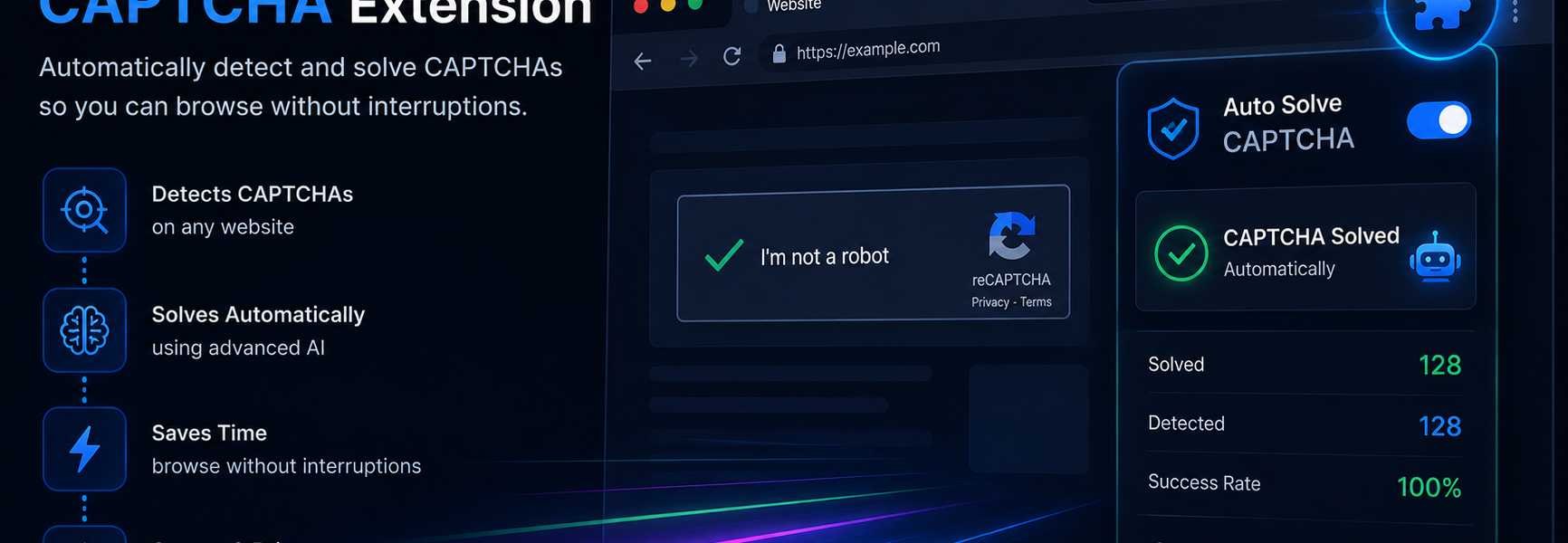
Browser extension captcha
You don’t really notice how often websites interrupt you until one evening when everything suddenly asks for proof at once. A login page. A comment form. A ticket queue. After enough repetition, phrases like auto solve CAPTCHA extension stop sounding niche or technical and start sounding strangely ordinary.
That shift says a lot about what browsing became over the last few years.
The Internet Quietly Learned To Distrust Speed
There’s something strange about how modern websites react to urgency. The faster people move, the more suspicious they often appear.
Refreshing a page too aggressively during a product release. Opening multiple tabs while comparing information. Clicking rapidly because a session timer is running out. These are incredibly human reactions, especially under stress. Yet automated systems frequently interpret those exact behaviors as signals of abuse.
And honestly, once you notice this pattern, it becomes difficult to ignore.
A lot of modern verification no longer waits for obvious problems before appearing. Systems evaluate browsing behavior constantly in the background. Cursor movement, timing between actions, browser fingerprints, session consistency — tiny details most users never consciously think about become part of invisible trust calculations.
The strange part is that humans naturally behave inconsistently. Real browsing contains hesitation, distraction, impatience, interruptions. Algorithms tend to prefer predictability instead.
That mismatch creates friction everywhere.
Some CAPTCHA Loops Feel Almost Psychological
I remember helping someone sign into an old account after years of inactivity. At first the process seemed normal enough. Then came one image challenge. Then another. Then a third after refreshing because the page stalled unexpectedly.
After ten minutes the person completely changed the way they interacted with the site.
They slowed down. Paused before clicking. Moved the cursor carefully like sudden actions might trigger something again. The verification system wasn’t just filtering traffic anymore — it was subtly shaping human behavior in real time.
That fascinates me because most people still think about CAPTCHA systems purely as technical infrastructure. But emotionally, they affect mood much more than we admit.
A website either feels smooth or tense.
Welcoming or suspicious.
Predictable or exhausting.
Repeated interruptions gradually change the emotional atmosphere of browsing itself, even when nothing is technically broken.
Browser Extensions Became Part Of The Conversation Naturally
Years ago browser extensions mostly improved convenience. Password managers, ad blockers, translation tools — practical things that simplified browsing without changing the emotional experience very much.
Now conversations around tools like a solve CAPTCHA extension appear more often because verification itself became part of the emotional experience of using the internet.
And the tone of those conversations is interesting. It’s rarely dramatic or ideological. Usually people just sound tired.
Not angry exactly. Fatigued.
Especially during moments where systems become overly aggressive:
- ticket sales
- large-scale registrations
- temporary traffic spikes
- repeated login recovery attempts
At those moments websites often tighten verification thresholds automatically, and ordinary users get trapped inside endless loops trying to prove legitimacy over and over again.
That’s where terms like CAPTCHA breaker extension started appearing more frequently in broader online discussions. Not necessarily because users reject security itself, but because the experience of constant evaluation became exhausting.
There’s a difference between occasional protection and perpetual suspicion.
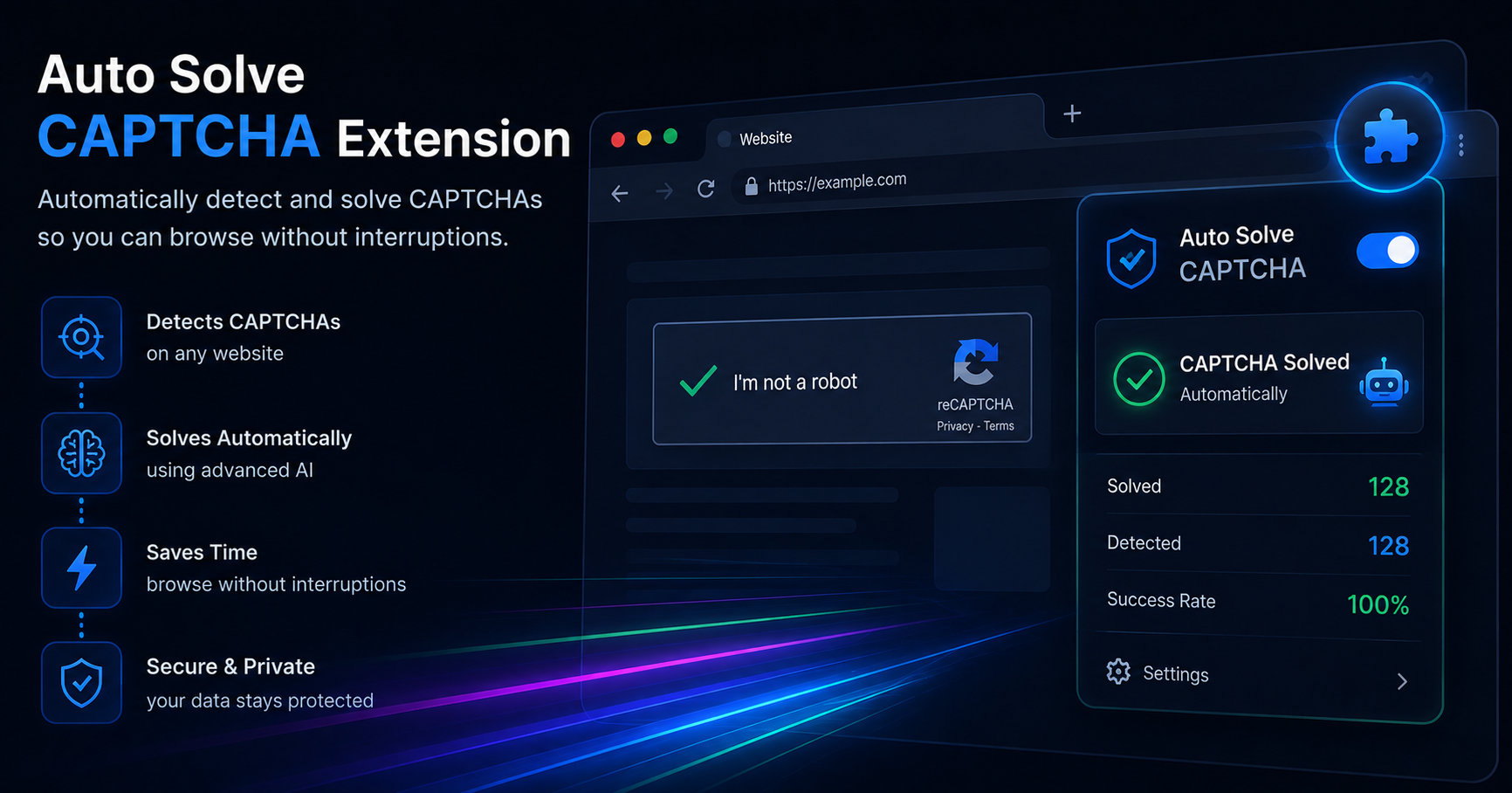
Hidden Scoring Systems Changed Browsing More Than Visible CAPTCHAs
Older CAPTCHA checks were annoying but straightforward. Solve the puzzle and move on.
Modern systems feel stranger because much of the evaluation happens invisibly before visible challenges appear. A person might browse normally for hours without issue, then suddenly encounter relentless verification after changing networks or refreshing too quickly.
From the user’s perspective, the logic often feels arbitrary.
Some factors that quietly affect trust scoring are surprisingly ordinary:
- switching between devices
- using privacy-focused browser settings
- unstable mobile connections
- rapidly repeated actions
None of these behaviors automatically mean malicious activity. Yet systems designed around probability don’t interpret context the way humans do. They interpret patterns.
And pattern-based evaluation changes the feeling of browsing even when people cannot clearly explain why.
Mentions of things like a CAPTCHA breaker Chrome extension or CapMonster Chrome extension often sound purely technical from the outside, but underneath there’s usually a broader emotional reality: people increasingly feel observed by systems they don’t fully understand.
Not observed personally, exactly.
Measured constantly.
Websites Started Feeling Less Neutral
The internet used to feel more direct. Click a button, get a result. If something failed, the reason usually seemed obvious.
Now there’s almost always an invisible negotiation happening beneath ordinary interaction. Systems continuously estimate whether behavior appears legitimate enough to continue smoothly. Most users never consciously think about this process, but they absolutely feel it when friction suddenly appears without warning.
That’s why repeated CAPTCHA interruptions create such a specific kind of exhaustion. The issue usually isn’t difficulty. Most image puzzles are easy. The real problem is unpredictability.
People can tolerate friction when it feels logical. They struggle more when the rules remain invisible.
After enough years online, an auto solve CAPTCHA extension stops sounding like a specialized technical phrase and starts sounding more like part of the atmosphere surrounding modern browsing — a quiet reaction to an internet that became increasingly analytical, increasingly cautious, and sometimes strangely suspicious of completely ordinary human behavior.